How to Easily Figure Out Why You’re Always Late

Written By: author avatar Rashelle Isip
author avatar Rashelle Isip
Rashelle Isip is a productivity coach and founder of The Order Expert®. She is a LinkedIn Top Voice, contributing columnist for Inc.com, and author of four books. With over 16 years of experience in the productivity industry, Rashelle helps people work comfortably, sustainably, and joyously for the long term.

Last Updated: Aug 21, 2025

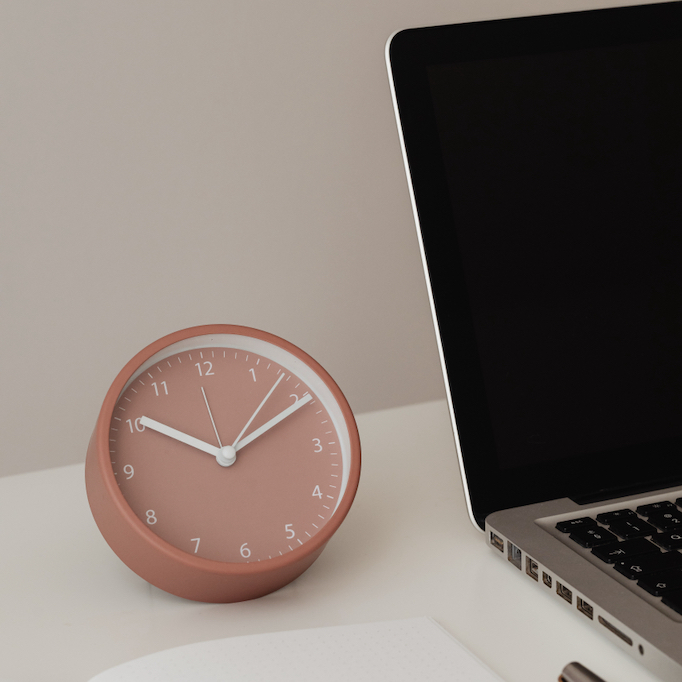
Clock and laptop sitting on a desk if you're always late

Do you want to figure out why you’re always late to appointments and meetings in your business?

Are you looking for some pointers to help you better manage your time?

In this article, you’ll find five five factors to consider when it comes to uncovering the source of your lateness.

Key Takeaways

  • Lateness can disrupt your schedule, impact others’ time, and cause stress in your professional and personal life
  • Ongoing lateness can cause feelings of overwhelm, receiving comments on tardiness, and potentially paying late fees
  • Improve your punctuality by tracking your time, planning ahead, minimizing distractions, and checking travel conditions

Table of Contents

Why should you care if you’re always late?

If you’re always late, then your actions may seem like nothing out of the ordinary. For instance, maybe you consistently arrive late to client meeting. You think, “Big deal. What’s the harm?”

But that’s the wrong way to approach lateness. In my experience as a productivity coach, I think the appearance of a lateness means that things are not running as efficiently as they could.

Firstly, being late affects the schedule you’ve so carefully crafted for yourself. You spend a good part of your time and energy planning your day, scheduling meetings, and working on projects.

When you’re late, all that hard work goes immediately out the window. You literally end up sabotaging the rest of your schedule, both now, and for days to come.

Secondly, lateness affects other people. Not only do you arrive late to something, you disrupt the entire flow of that person or people’s day. If a meeting is already underway, your lateness may interrupt the proceedings both immediately and afterwards.

You’ll miss key previously presented information. Your contacts will have to repeat themselves, slowing down the meeting. People’s schedules will need to be adjusted in case the meeting runs late. Future appointments may be postponed or cancelled.

And thirdly, dealing with lateness can be a stressful series of events. Not only is there frustration that ensues when you realize you’re late to something, but the aftermath.

You rush about your office gathering items. You hurry on your way to your appointment. And you feel flustered and stressed when you finally do arrive at your destination.

That’s not healthy way to live on a regular basis, if you ask me!

How do you know when you’re always late?

Fortunately, there are several ways to identify if you’re always late. These types of situations don’t just randomly appear on their own. They tend to build and compound over time.

For instance, you may realize that you’re feeling more overwhelm or frustration in your daily routine. What would normally be a smooth, effortless, and comfortably-scheduled day becomes a torment of bumpy, effort, and discomfort.

You’re always looking to the future and can never quite fully ground yourself in the present moment. You’re always on edge, wondering when the other shoe will drop. You may feel fearful, stressed, and worried at times.

You may also find that other people comment on your lateness when you’re always late. If more than one person is regularly commenting on your lateness to appointments and meetings, take notice!

You may wish to jot down these instances in your calendar, in a notebook, or in a notes app. Then, you can take clear steps to reduce or eliminate the habit of lateness in your daily experience.

Another tell-tale sign of being always late is when you have to pay late fees or penalties. This may happen when you miss the critical time-window for shipping items, ordering products, purchasing services, or booking events.

Constantly shelling out extra cash isn’t fun and can have a big impact on your professional and personal budget. If you find you’re racking up late fees or penalties, then you’ll want to explore your actions behind this.

What are some drawbacks when you’re always late?

Being late does have some drawbacks, particularly when you’re working with others.

Even if your lateness doesn’t affect you outright, you can be sure your actions don’t go unnoticed by others.

And this can have a big impact in how you show up and appear in your professional and personal life.

Some key drawbacks of being always late may include:

  • Delaying the timely delivery of key projects and assignments
  • Falling behind in client or customer work on a regular basis throughout the year
  • Missing important travel connections via train, bus, car, boat, or plane
  • Feeling overwhelmed, frustrated, and embarrassed by your actions
  • Being absent for key events, experiences, and situations in your business and personal life
  • Perceived as a less trustworthy, thoughtful, or responsible professional by clients and customers

How to easily figure out why you’re always late

You’ve resolved to arrive on time to your appointments.

But for some odd reason, you end up being late by a couple of minutes…or more.

You haven’t the faintest idea as to why you keep arriving late!

Lateness has to do with two main factors: those factors that are within your direct control, such as leaving on time, and those factors outside of your direct control, such as traffic delays, illnesses, and accidents.

Lurking beneath these two main factors are smaller factors.

It may seem hard to believe, but these smaller factors can have a big impact on your ability to arrive on time.

It’s worth taking a closer look at these factors if you want to pinpoint exactly where things take a turn for the worst.

Attentiveness

Being attentive means working on whatever it is you’re working on at the moment…while keeping an eye on the clock.

You not only have to focus on your work, but you also have to be aware of the passage of time while you work.

Attentiveness can be difficult to master because of the very nature of the skill involved.

You literally have to train yourself to focus on what you are doing at the present, while anticipating the future.

One way to hone your attentiveness skills is to make a conscious decision to track time while you work.

An easy way to do this is to set a timer before doing your work.

This way, you can complete your work without having to constantly worry about the time.

Set your timer to go off at least fifteen minutes before you have to leave for an appointment.

When the timer goes off, you should stop your work and start getting ready for your appointment.

Preparedness

It takes time to prepare for any outing, be it a trip to the neighborhood mailbox, a three-week vacation, or a walk down the street to your favorite café.

How well do you prepare yourself for upcoming meetings? Are your personal and professional belongings accounted for, packed, and ready to go?

Or do you have some items that need attending to before you leave? Do you underestimate the time it takes to pack up your belongings?

If you find yourself constantly searching for things at the last minute, time and time again, you’ll definitely want to consider your level of preparedness.

It’s important to realize that preparedness often extends beyond the personal and professional realm.

You may find yourself packing items for others, such as babies and children, or those unable to pack for themselves.

And yes, this additional packing does take more time to plan and pack!

Give yourself ample time for trip preparations. You want to pack things correctly the first time.

If you think you’ll only need ten minutes to pack items, double the time to twenty minutes to be on the safe side.

You may find it helpful to create a list of items you need to pack in advance to make the process go a little smoother.

Distractions

Distractions can take many shapes and forms.

Even the simplest of tasks, such as checking your email, washing a mug, or tidying up your office, can be a big distraction if you’re trying to get out the door.

Theoretically speaking, you could have everything packed and planned in advance.

But if you happen to be distracted by something in your home or office…well, you’d better watch out!  

Do your best to minimize all types of distractions as you prepare your appointments.

Now is not the time to watch a TV show, listen to a podcast, or check a social media account.

Put aside that last-minute chore, that good book, or considerations as to whether or not you have time for “one last thing.”

Remember, your attention should be 100% focused on getting out the door.

As soon as you notice it’s time to leave, treat it as such, and put your energies towards leaving for your appointment.

Departure

Leaving for your next meeting might not seem like a big deal. You just grab your belongings and go, right? 

Not necessarily. The departure process is not a cut-and-dry affair. In fact, it is more complex than you may think!

Leaving your home or office has its own set of tasks. You probably perform these tasks on a regular basis but haven’t consciously thought about them.

Think about it for a moment: what do you do before leaving for your appointments?

There’s a good chance you use the restroom, put on your shoes and coat, grab your keys.

Don’t forget locking up your home or office and making your way to your preferred mode of transportation.

Take a few minutes to consider which tasks you perform before leaving your home or office.

For more clarity, try writing down each of these steps on a piece of paper. You may be surprised at what you learn!

Travel

Be it bus, plane, train, car, or your own two feet, travel time is an important factor to consider when it comes to arriving on time.

Unfortunately, we are not always in control of external travel factors.

Bad weather, heavy traffic, merges, delays, accidents, and any other number of travel woes are quite common in today’s world.

You can do a few things to counter this unpredictability.

For starters, you can check weather and traffic reports in advance of leaving for an appointment.

Once you have a good read on the situation, you can make any necessary travel adjustments or revise your plans accordingly.

FAQ: How to figure out why you’re always late

What practical steps can you take to improve your punctuality?

Track your time, plan ahead, minimize distractions, and check travel conditions beforehand. Consider creating a checklist for departure tasks to ensure nothing is overlooked before you leave for your upcoming appointment.

How can you identify the real reasons behind a lateness?

Start by examining factors within your control, like planning and focus, as well as outside factors such as traffic or emergencies. Tracking your habits and reviewing your routines can help pinpoint specific issues you can then improve.

What are the main drawbacks of always being late?

Falling behind in work, feeling embarrassed or frustrated, delaying project deliveries, and missing travel connections. There is also the chance you may be perceived by others as being irresponsible or untrustworthy.

How can you tell if you are consistently late?

Notice how you feel when it comes to your appointments. If you feel more overwhelmed, frustrated, or annoyed, that may be a key sign. Likewise, if others comment on your lateness, or if you incur late fees, that could also potentially indicate a pattern of lateness.

Why is it important to address being always late?

Being late not only affects your schedule, but it disrupts others’ plans. What’s more, it can potentially lead to stress and feelings of overwhelm, which can have an impact on your professional and personal life.


In case we haven’t yet met virtually, it’s nice to meet you! Hi, I’m Rashelle Isip, The Order Expert®, productivity coach for entrepreneurs, small business owners, and professionals.

If you liked this article, here are a few ways you can stay in touch:

Sign up for my newsletter. Every Tuesday I send out my latest blog post with practical tips.

Learn more about my resources. I’ve written eBooks and created online courses to help you be productive, manage your time, and stay organized.

Read my blog. There you’ll find tons of practical articles with tips, tricks, how-tos, and a spot of inspiration, too.

Check out my services. If you want help when it comes to being productive in your business, work, and life, take a look at my services.

Follow me on LinkedIn. I post actionable tips on productivity, time management, and work-life balance.

Book a Strategy Session. Want clarity around being more productive in your business or life? Schedule a free 30-minute video strategy session with me today.

author avatar
Rashelle Isip Productivity Coach and Founder of The Order Expert®
Rashelle Isip is a productivity coach and founder of The Order Expert®. She is a LinkedIn Top Voice, contributing columnist for Inc.com, and author of four books. With over 16 years of experience in the productivity industry, Rashelle helps people work comfortably, sustainably, and joyously for the long term.
5 Unexpected Things You Need to Organize a Work Notebook Mockup

Comments

0 Comments

Trackbacks/Pingbacks

  1. Top 10 List: 10 Time Management Questions You Should Always Ask Yourself | The Order Expert - [...] I always early, late or on time to meetings and [...]

Submit a Comment

Your email address will not be published. Required fields are marked *

Pin It on Pinterest

Share This